Dialog on Soul and Fate
Stanislaw Vincenz (1888—1971)
HUNGARY
ABOUT EXHIBITION

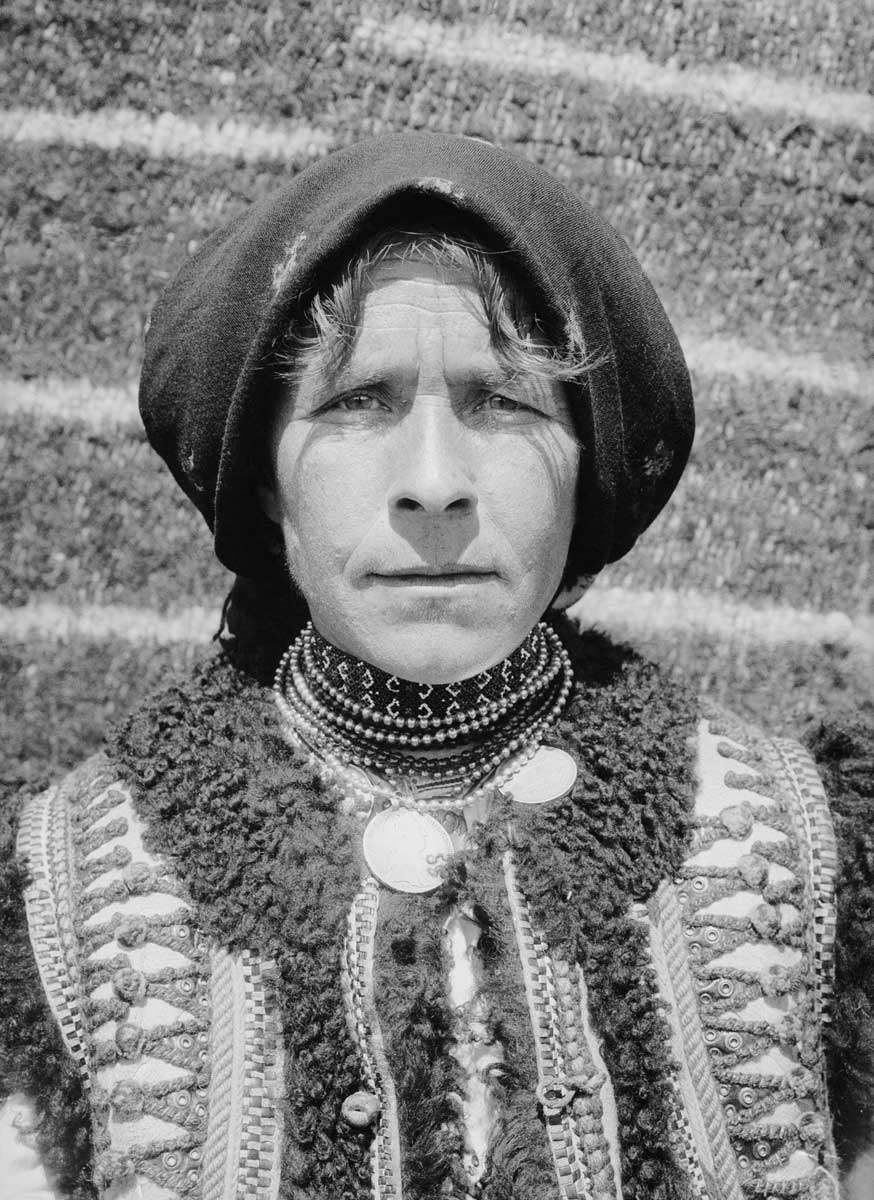
A Hutsul woman from Bystrzec, 1933, photo by L. Cipriani
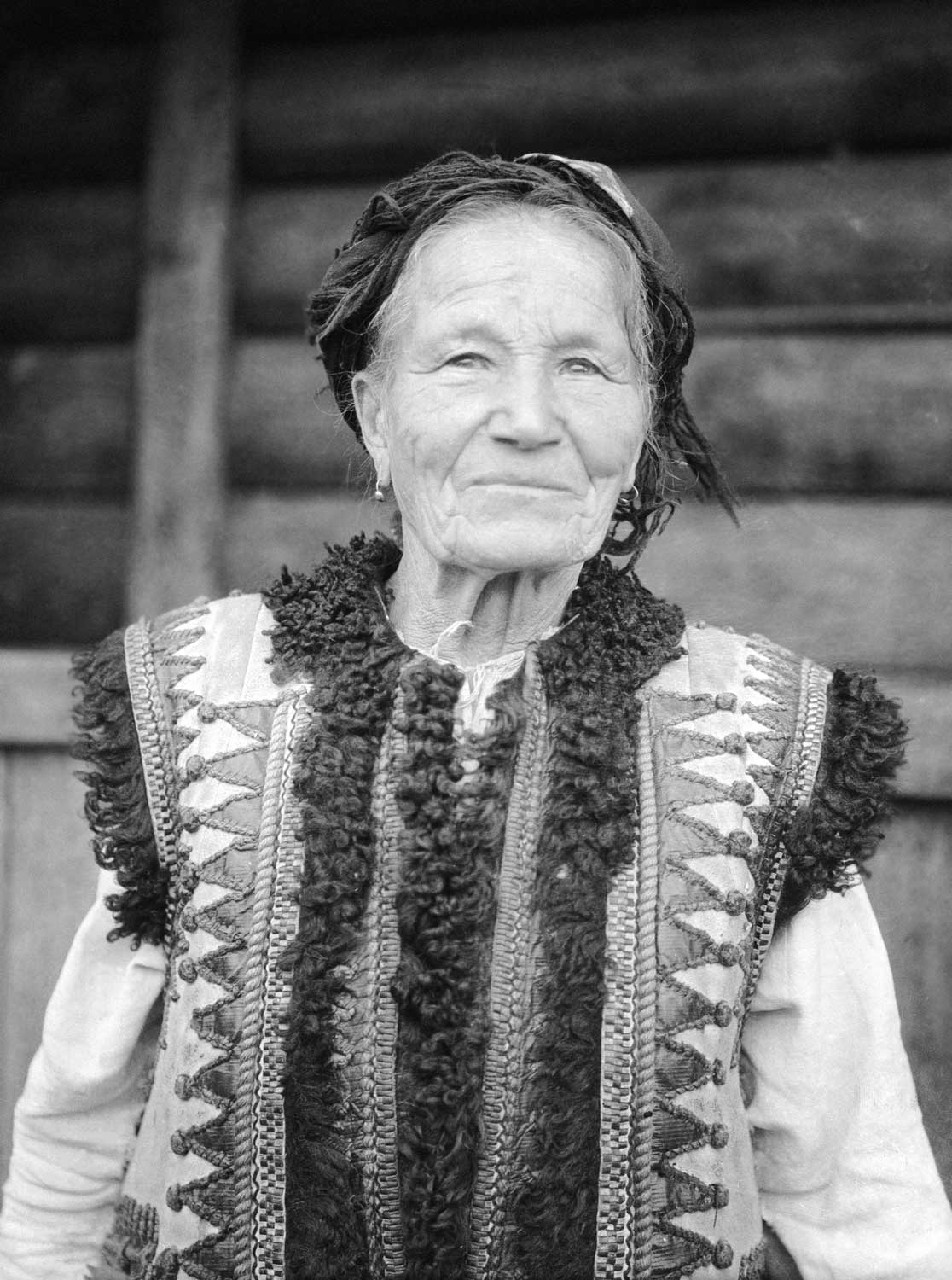
A Hutsul woman from Bystrzec, 1933, photo by L. Cipriani
After the Soviet troops had entered Poland, Vincenz decided to leave the country. On September 18, 1939, he went with his older son and Jerzy Stempowski to Hungary. The road led through the Tatarska Pass.
‘This is one thing I knew that with the coming Soviets there would be complete isolation from the world and a kind of permanent martial law. In addition, you would have to chase a kilogram of sugar, seek protection for getting shoe soles, you would have to spend a lot of time in queues. Pretend recognition, if not delight, not only for the peaks of the Soviet regime, but even for some provincial jumped-up jacks-in-office. No, it’s not for me’.
(Stanisław Vincenz, The Dialogues with the Soviets, 1966
‘The pass was also full of peasant women from Jabłonica and the surrounding area. With the goodness typical of the Hutsul people, they came to the pass with milk, cheese, fruit and bread to feed the poor “masters”, refugees, free of charge. It seemed to me that I recognised this or that granny because they looked at me like old friends. I asked one of them: “That’s trouble, Granny, isn’t it?” She answered me with a proverb: “Hey, sweetie, one trouble is like your own mum; only seven troubles on your plate — this is trouble”.’
(Stanisław Vincenz, The Dialogues with the Soviets, 1966)
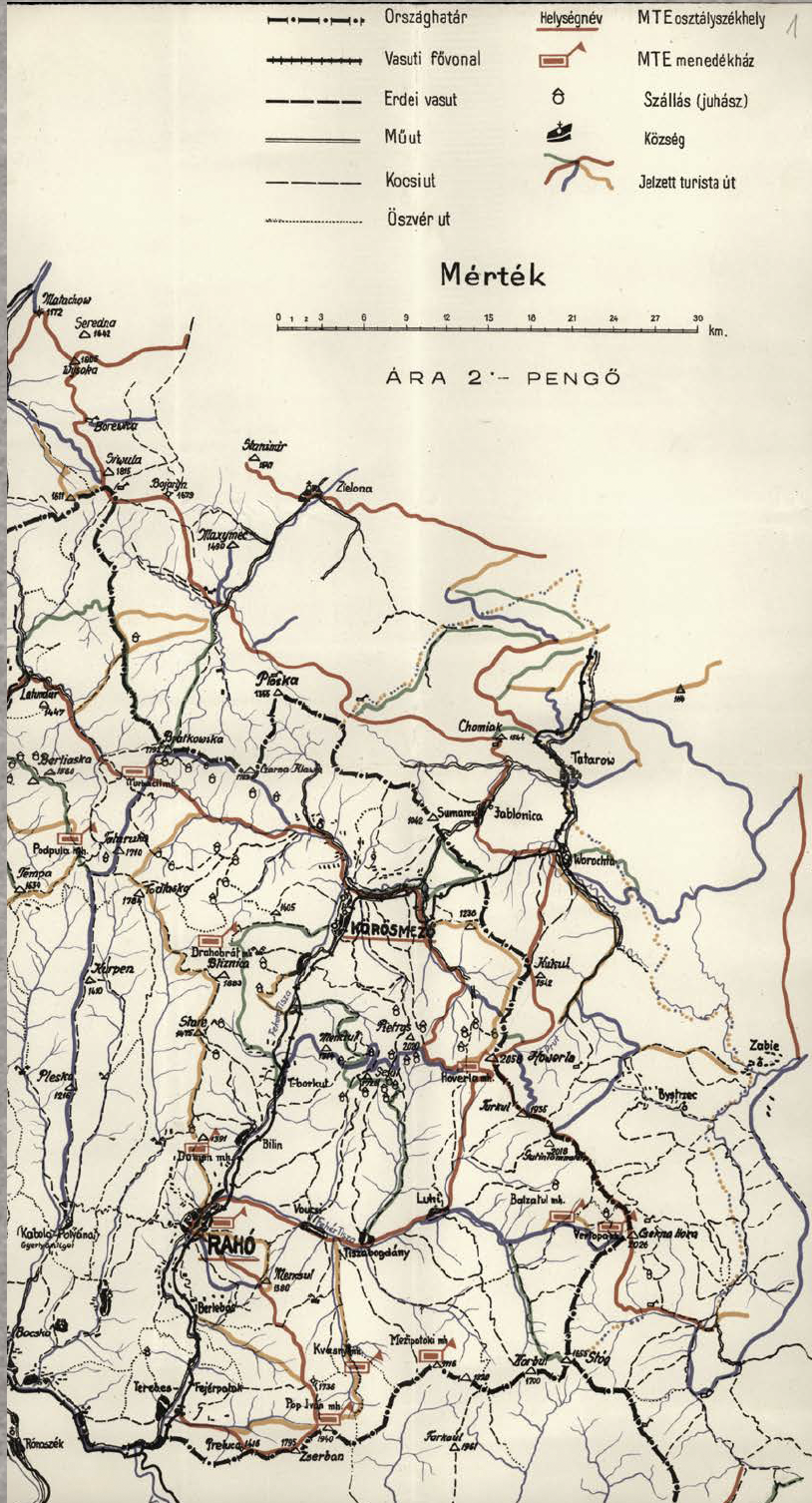
The map of the journey (escape) sketched by Jerzy Stempowski, the collection of MPR
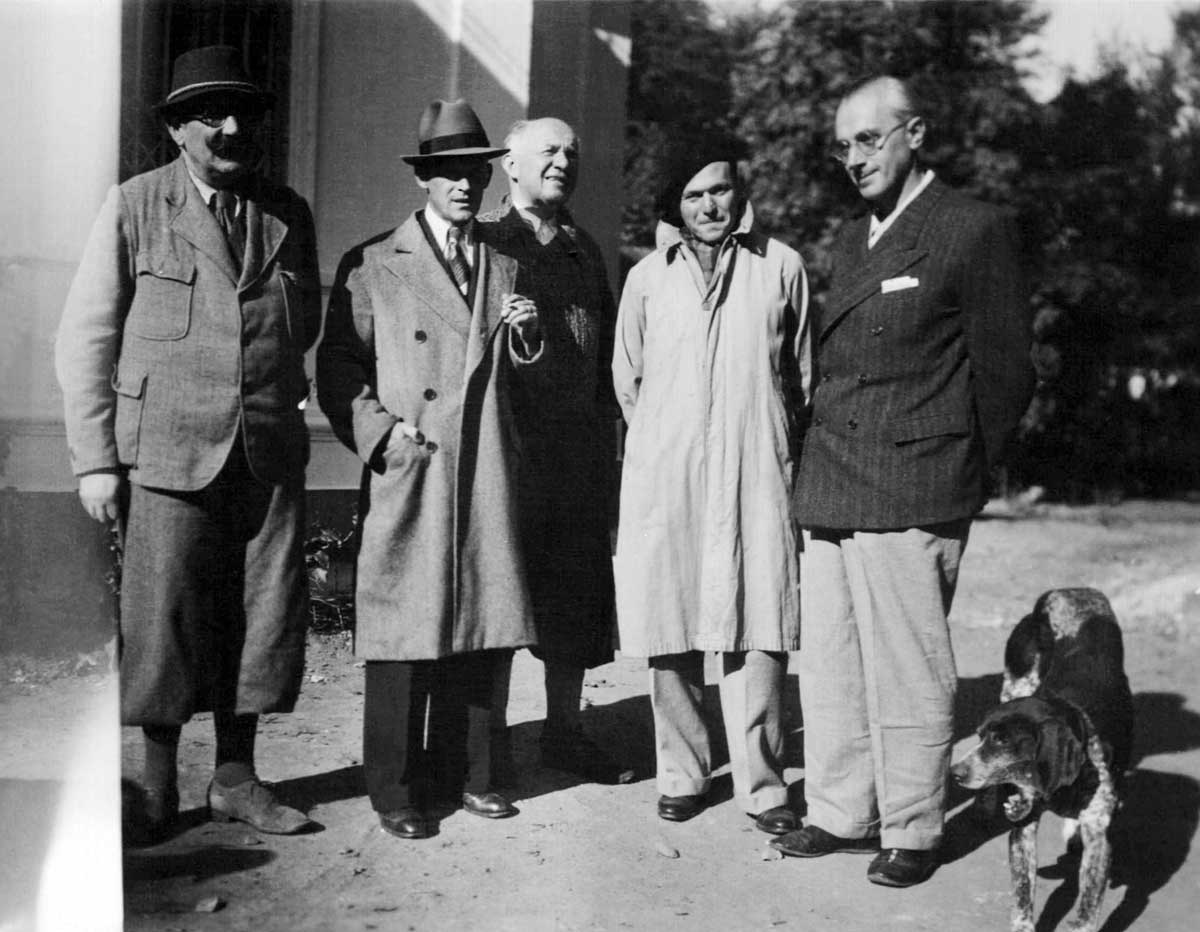
At the Kendys’ manor houseduring the stay in Hungary, October 1939
After a few weeks’ stay in Hungary, the writer, with the intention of bringing his whole family there, returned to Bystrzec. The next day after their return, the Soviets accused Vincenz and his son of illegal border crossing. They were arrested and imprisoned in Stanisławów and released in December, after the effective intervention of representatives of Ukrainian and Jewish communities. In early spring, both sons, and in May 1940, Stanisław Vincenz with five women (Irena and Lena, daughter Barbara, Helena Łuczyńska and Katarzyna Pobiarzyn), set off with Hutsul guides to Hungary, where they settled, first in Budapest, and then in a small town Nógrádverőce on the Danube.
In order to help them, Hans Zbinden and Jerzy Stempowski applied from Switzerland for financial aid. For saving Jews during the Hungarian period, Vincenz was posthumously awarded the “Righteous Among the Nations” medal.
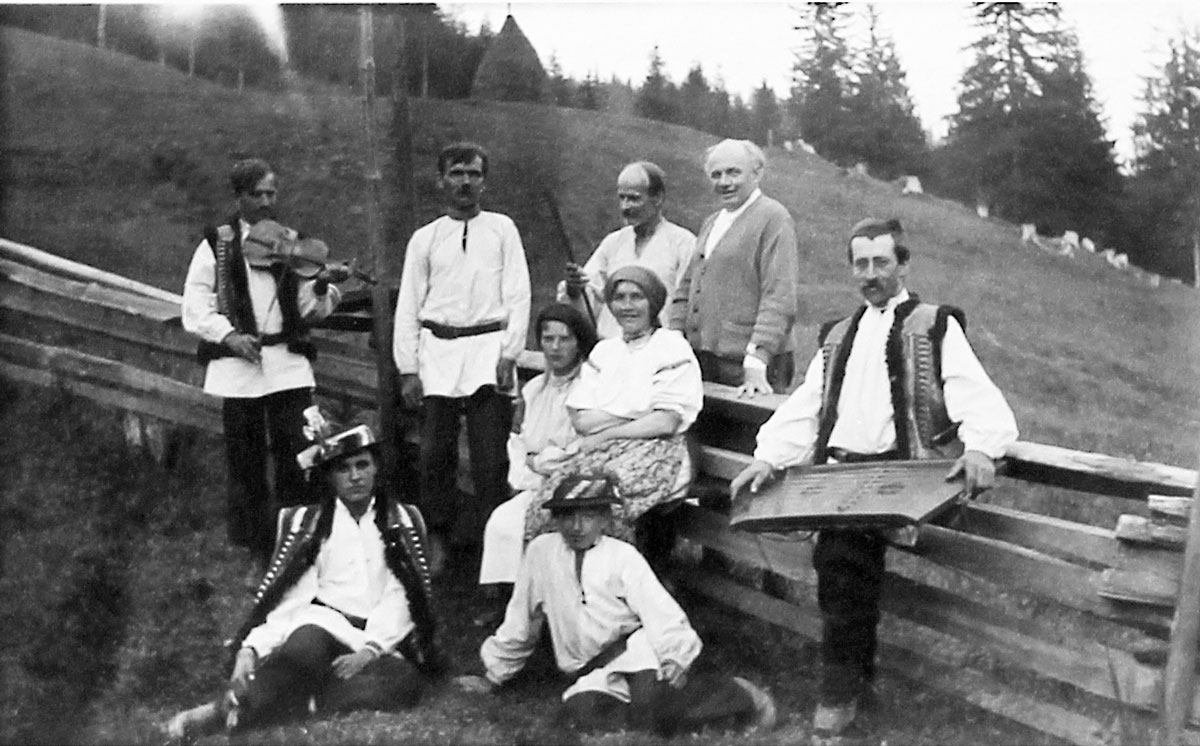
Stanisław Vincenz with Hutsul neighbours, 1938
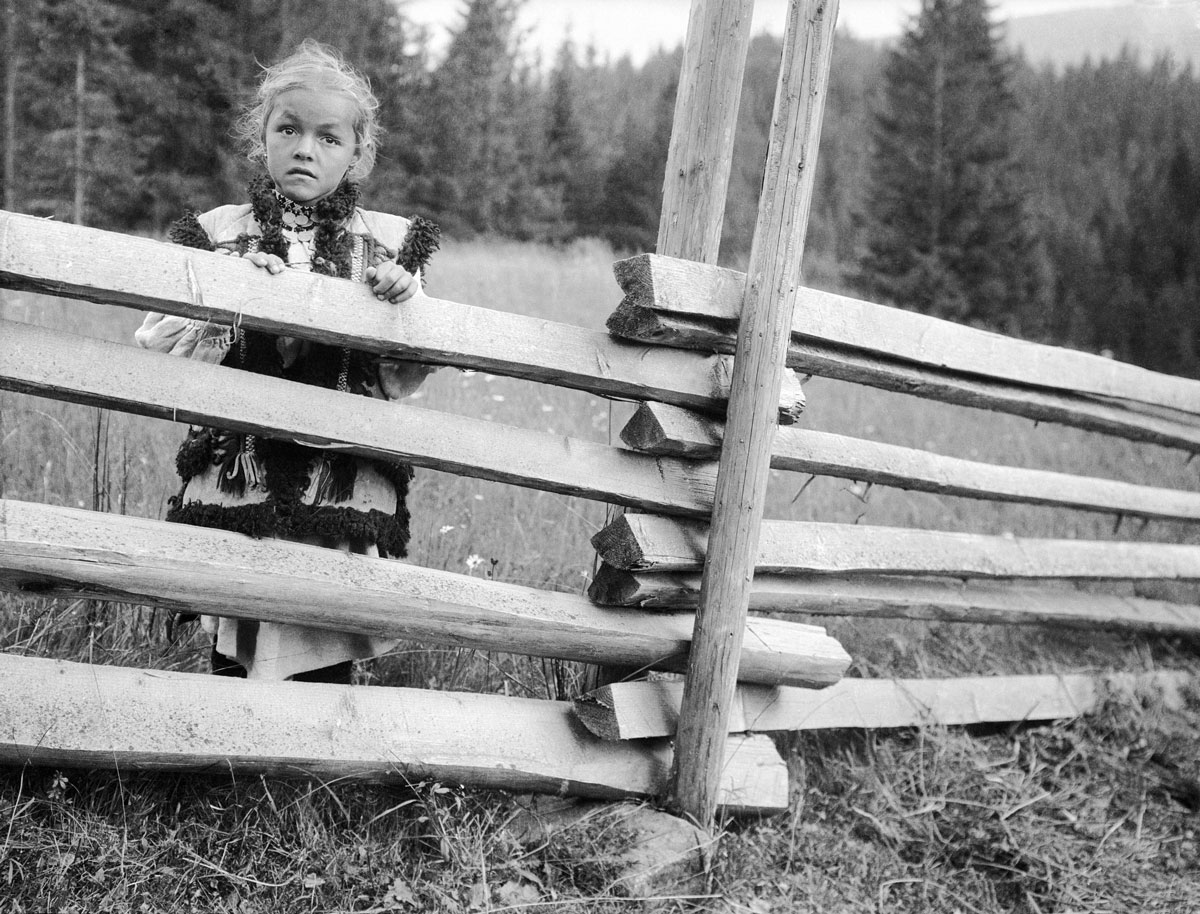
A Hutsul child, 1933, photo by L. Cipriani
‘The symbolic content of The Odyssey is the oscillation of the human spirit between two poles, between a distant world full of wonders, towards which the human spirit rises, and the native land which, even if it was as rocky and raw as Ithaca, is, according to the words of Odysseus, “something sweetest that can be seen”.’
Stanisław Vincenz, Hungarica. The gift of Friendship, 1943
‘And so, awaken your kingdom in our souls,
let it gush out like your Orions,
with the same will as in heaven
be it done on earth.
Give us every day
bread and health and hope,
lest we should fall miserably in the wilderness by the road’.
Stanisław Vincenz, Paraphrase of the Lord’s Prayer, 1941
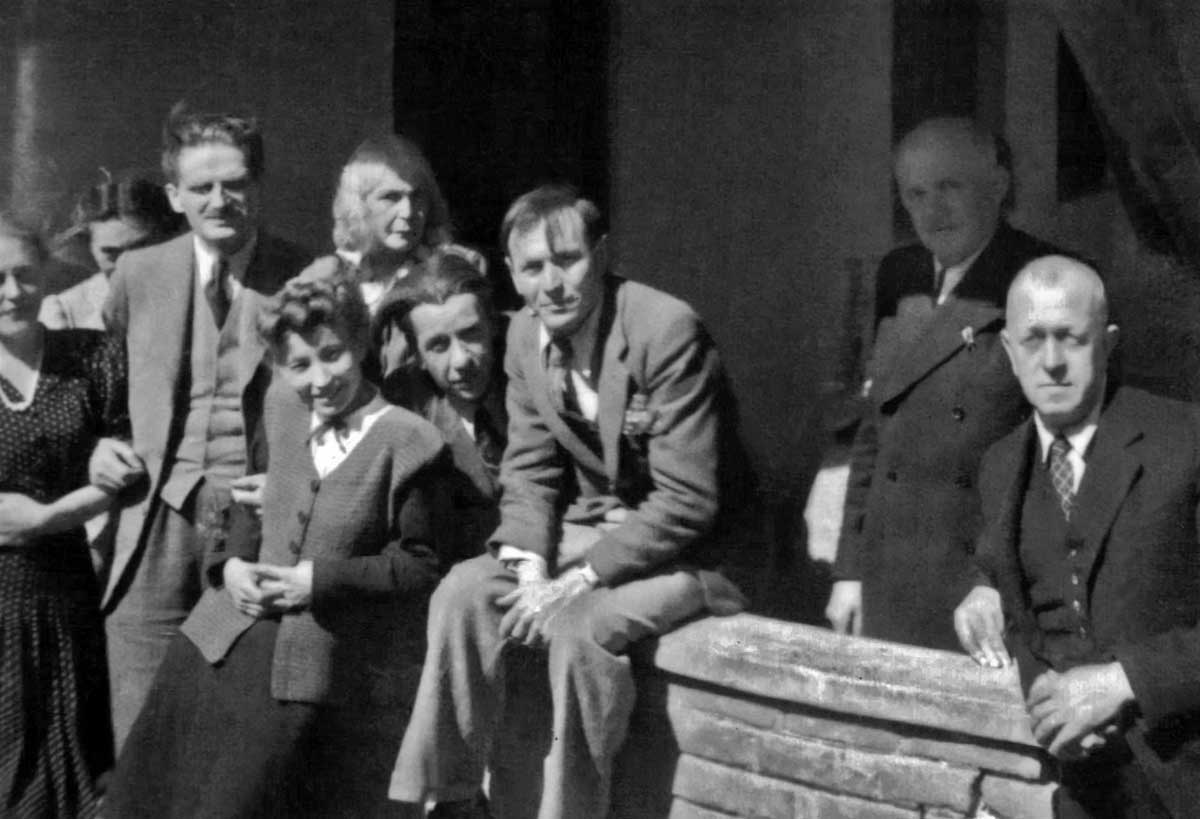
The Vincenzes in Hungary, 1942