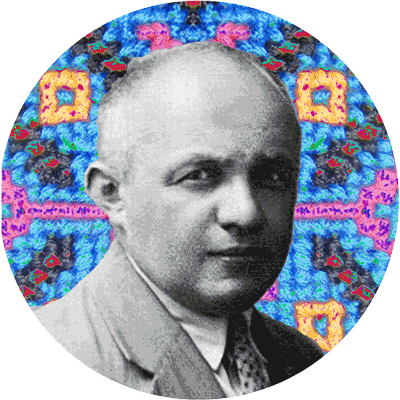
Dialog o losie i duszy
Stanislaw Vincenz (1888—1971)
KRZYWORÓWNIA
O WYSTAWIE

Miejsce szczęśliwego dzieciństwa było w Krzyworówni. Ta huculska wieś w powiecie kosowskim była położona na poziomie 560 m n.p.m. Na progu lat osiemdziesiątych XIX w. naliczono 1833 mieszkańców w gminie, a 17 dusz na obszarze dworskim. Już wówczas stała w środku wsi cerkiew greckokatolicka z chramem (odpustem) w dzień Narodzenia Matki Boskiej, czyli 21 września. „Jesteśmy w samym sercu Huculszczyzny, wśród pięknego, sielankowego świata górskiego” — pisał Henryk Gąsiorowski. W latach trzydziestych XX w. wieś liczyła 1650 mieszkańców i ok. 400 numerów chat i domów, nie tylko skupionych w dolinie obu wartkich potoków, ale i rozrzuconych wysoko na stokach. Tutaj, nad szumiącym Czarnym Czeremoszem, z rzecznych mgieł wyłaniał się znienacka dwór Przybyłowskich, „przystań spokoju, przyjaźni i szczęścia”. Dom był drewniany, postawiony na wysokiej podmurówce, z długim na szerokość całego frontu gankiem i z krytą dachem drewnianą galerią łączącą dwór z budynkiem kuchennym, schowanym w rozległym sadzie. Urządzony był tak, by ułatwiać codzienne życie, a zwłaszcza podsycać rozmowy. W 1915 r. dwór spłonął. Jeszcze wiele lat później turyści zmierzający na grzbiet Kopilasza w widłach Waratynu i Czeremoszu mijali mury spalonego lamusa dworskiego. Oprócz pogorzeliska pozostały modrzewie zasadzone ręką dziedzica, drzewa domowe.
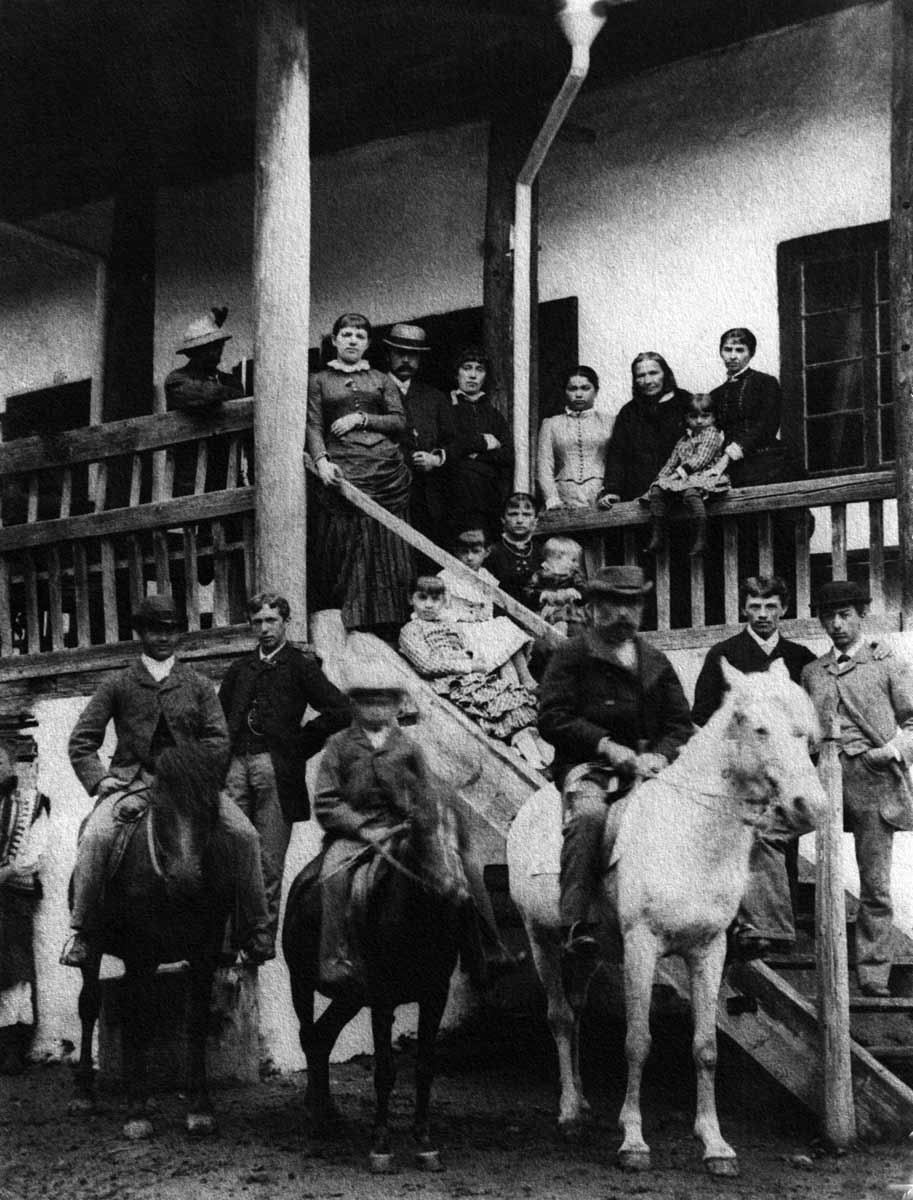
Dwór Przybyłowskich w Krzyworówni, 1895
„Ze śmiercią mego dziadka pod koniec roku 1905, a po raz drugi jakie dwanaście lat później, po spaleniu starego domu pod koniec I wojny, świat dla mnie naprawdę się skończył. I potem chyba jeszcze jakie dwa razy. I to dobrze, bo na to się kończy, aby się znów zaczynało”.
(Stanisław Vincenz, Koniec świata, 1959)
„Bracia Przybyłowscy, Władysław i Stanisław, mieli rzekomo po 50 nieślubnych dzieci — Hucułów („Perebylowczuki”). Na weselu Kazimierza Dobruckiego i Halszki Machowskiej w Delatynie Stanisław Przybyłowski przywiózł dwa wozy pełne familiantów huculskich, mających obronić młodą parę przed zawiedzionymi konkurentami do ręki Halszki. Zajeżdżał był do Kołomyi z całym dworem familiantów i swoją najukochańszą ówczesną Maryjką (śliczna) do zajazdu Sperbera”.
(Jerzy Stempowski, Dzieje rodu Vincenzów, około 1943)
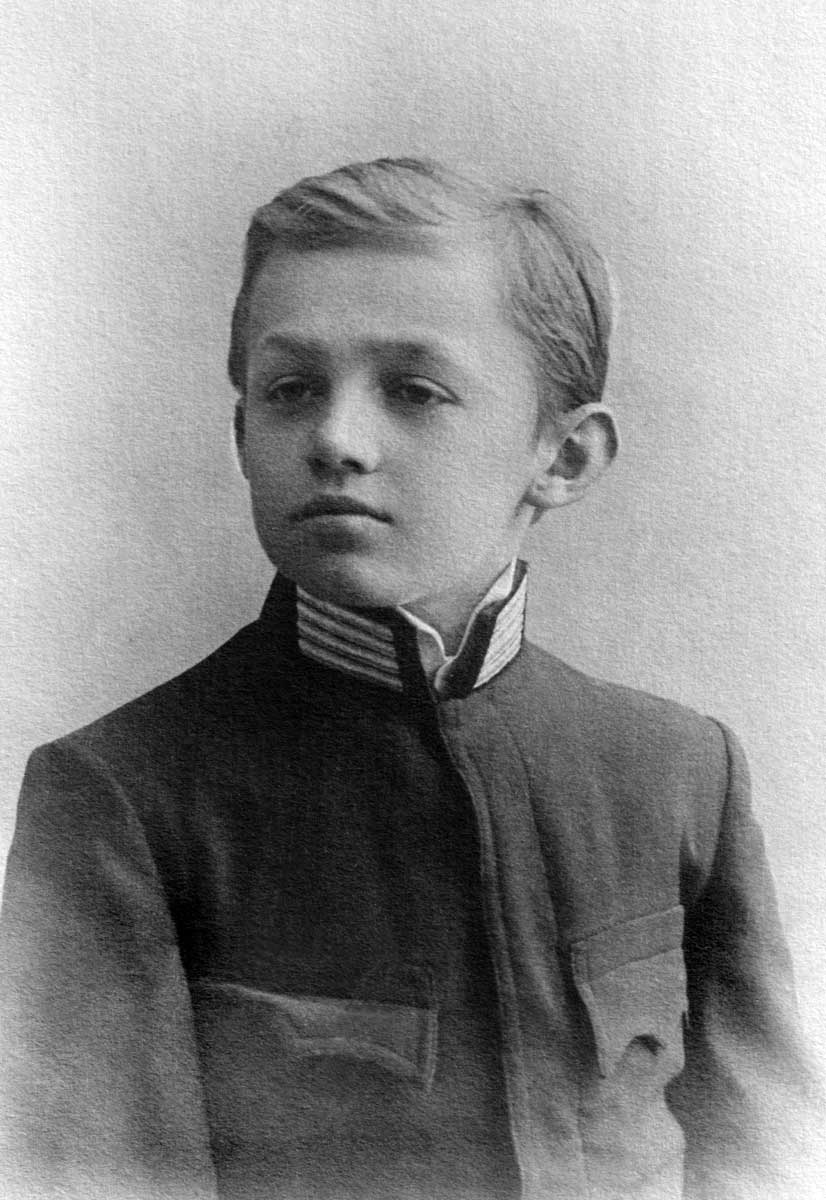
Stanisław Vincenz w wieku gimnazjalnym, 1901
„Wspomnienie startu mego chłopięctwa z kraju górskiego zostało dla mej pamięci w obrazie pewnej jazdy, kiedy mój wuj Stasio, brat mamy, zawiózł mnie swoją świetną osobliwą czwórką znad Czeremoszu do Kołomyi, do gimnazjum, gdzie właśnie miałem zdawać egzamin wstępny. Odległość była spora, zazwyczaj jeździło się rozstawnymi końmi, zatrzymując się i przesiadając w Kosowie. Wujcio Stasio nie dbając o ryzykowne drogi dowiózł mnie w niewiele więcej niż dwie godziny.
Zajechał przed ganek czwórką skrzyżowaną z karoszy i śnieżnych siwoszy, zaprzężoną do złocistego rydwanu faetonu wiedeńskiego. Wsiadłem skokiem, bo konie niecierpliwiły się. Gdy wujcio strzelił z bicza, skoczyły w powietrze jakby na skrzydłach. Zaparło mi dech z podziwu. Lecz także z lęku. Ach, jak się bałem!
Powożąc, wuj Stasio nie wstrzymywał koni, tylko strzelał im batogiem nad głowami, a gdy bryczka zaczepiła gdzieś czy to o rów, czy o jar nad przepaścią Bukowca, konie wyciągały ją błyskawicznie i pędziły bez pamięci do góry czy na dół.
To było dla mnie startem z mego dzieciństwa w przyszłość. Ufam dotąd, że pęd diabelskiej karośnieżnej czwórki tak mnie uniósł, iż starość jeszcze teraz ma pewne trudności, aby mnie dogonić”.
(Stanislaw Vincenz, Start w przyszlość, 1962)
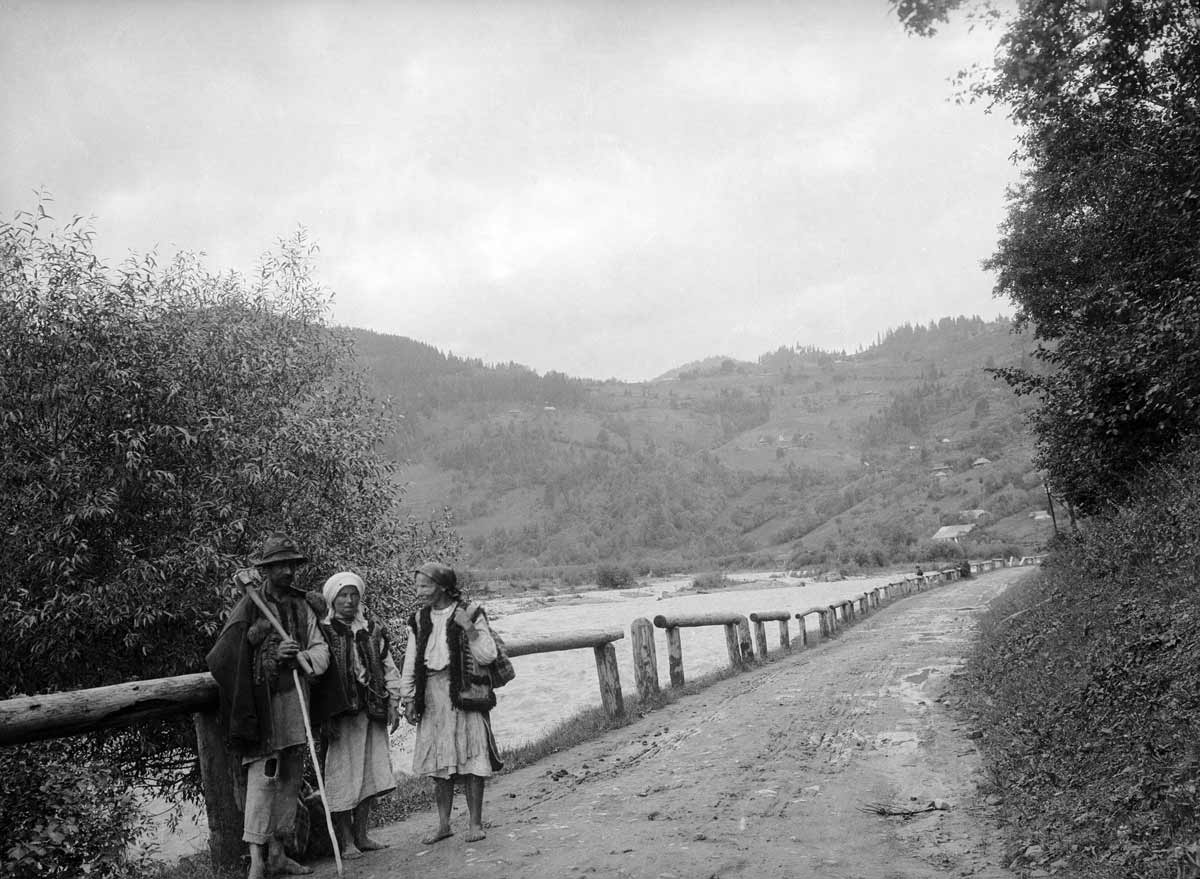
Krzyworównia, 1933, fot. L. Cipriani
„Te góry gubią w sobie wszystkie małe ludzkie rzeczy i osoby. I nie przestrzeń, lecz postać i przestwór ich piękna jest pierwszym krokiem do wieczności.
Idź dalej tą ścieżką! One są początkiem tego, co ponad przestrzenią, co ponad czasem. Wierchowina — nie wczorajsza, nie teraźniejsza, nie jutrzejsza.
Tacy maleńcy jesteśmy schowani w tych górach, bez znaczenia wszystko co robimy, ale te przeczucia, które budzą one, zapewne odpowiadają, wiążą się w czymś z ich wyrazem wiecznym.
— Krzywo a równo”.
(Stanislaw Vincenz, Outopos, 1938)
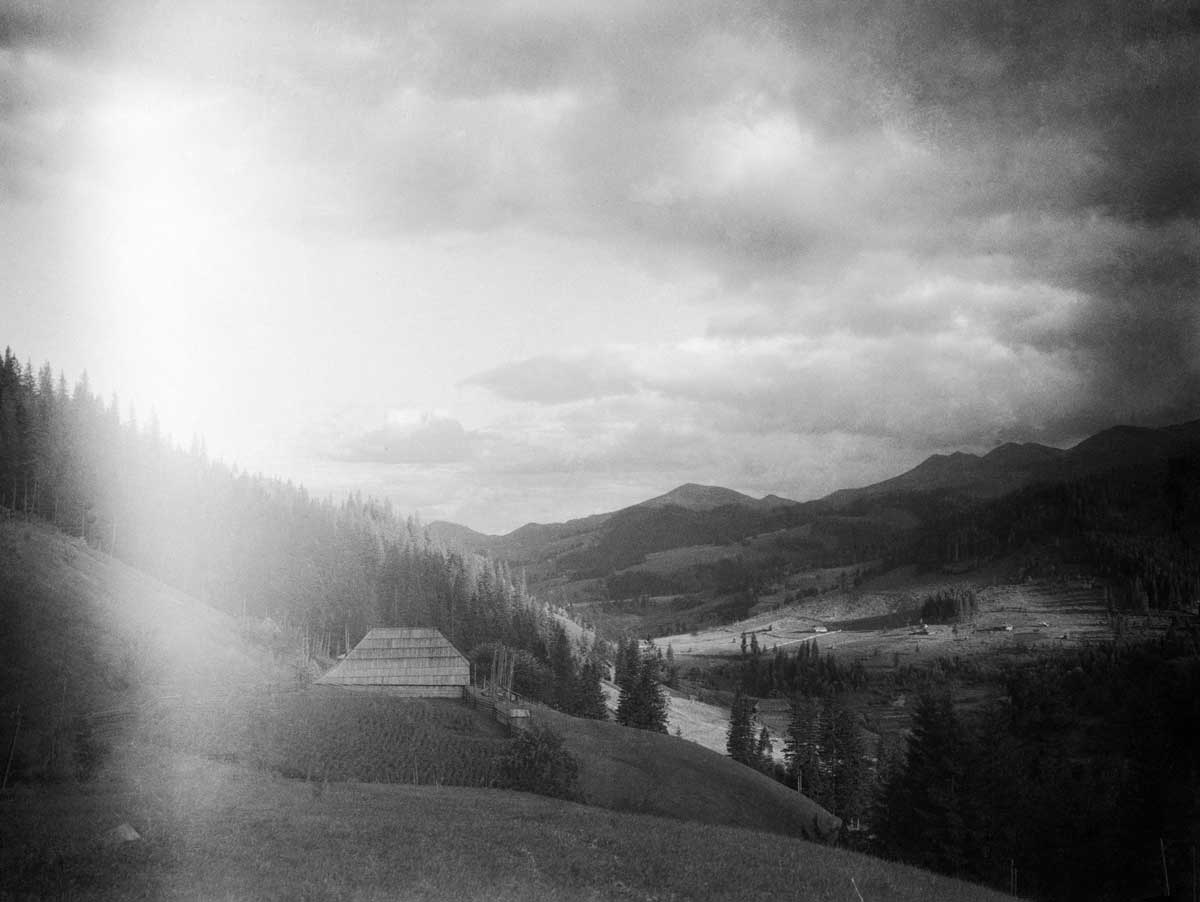
Karpaty Wschodnie, 1933, fot. L. Cipriani